Spring 2026 garden maintenance checklist for Eastham gardeners
If your garden in Eastham has come through winter looking a bit tired, you are not alone. Spring has a way of revealing everything at once: patchy lawns, crowded borders, moss on hard surfaces, and shrubs that have grown a little more wildly than you remembered. This Spring 2026 garden maintenance checklist for Eastham gardeners is designed to help you tackle the season in the right order, avoid wasted effort, and bring the garden back to life without overcomplicating it.
Whether you look after a small front garden, a family back garden, or a more layered space with hedges, lawn, beds, and decking, the same principle applies: do the essential jobs early, then build from there. A little structure now saves a lot of catch-up later. And honestly, spring can disappear fast if you keep putting off the obvious jobs.
Quick expert takeaway: start with safety, clearance, and soil recovery first, then move on to planting, feeding, pruning, and finishing touches. In Eastham, where weather can flip from mild sun to damp breezes in the space of a day, timing matters more than people think.
- Why this spring checklist matters
- How the checklist works
- Key benefits and practical advantages
- Who it is for and when it makes sense
- Step-by-step guidance
- Expert tips for better results
- Common mistakes to avoid
- Tools, resources and recommendations
- Law, compliance, standards, or best practice
- Options, methods, or comparison table
- Case study or real-world example
- Practical checklist
- Conclusion
- Frequently asked questions
Why Spring 2026 garden maintenance checklist for Eastham gardeners Matters
Spring maintenance is not just about making the garden look tidy. It sets up the rest of the year. A lawn scarified at the right time, a hedge cut before it becomes a nesting issue, and borders cleared before weeds seed can save hours later. That is the real value here.
For Eastham gardeners, there is also a local practical angle. Coastal and east London weather patterns can leave surfaces damp for longer, so moss, algae, and compacted soil often show up sooner than you might expect. If you wait until summer, some problems are already built in. The lawn has suffered, weeds have rooted deeper, and shrubs have started competing with each other. Then you are playing catch-up. Not ideal.
Spring is also the moment when a garden responds best to intervention. Plants recover faster, soil can be improved before the main growing season, and small corrections have a bigger impact. That is especially useful if you want the garden to feel easier to manage, not just prettier for a week or two.
How Spring 2026 garden maintenance checklist for Eastham gardeners Works
The checklist works in layers. You begin with the jobs that affect access, safety, and plant health, then move into the jobs that improve growth and appearance. That order matters because a tidy-looking garden that still has compacted soil, blocked drainage, or neglected pruning will not stay tidy for long.
Here is the basic flow:
- Inspect the garden after winter. Look for broken branches, tired turf, slippery paths, blocked gutters or drains near the garden, and areas where water has pooled.
- Clear debris and dead growth. Remove fallen leaves, spent stems, and any garden waste that is sheltering pests or preventing airflow.
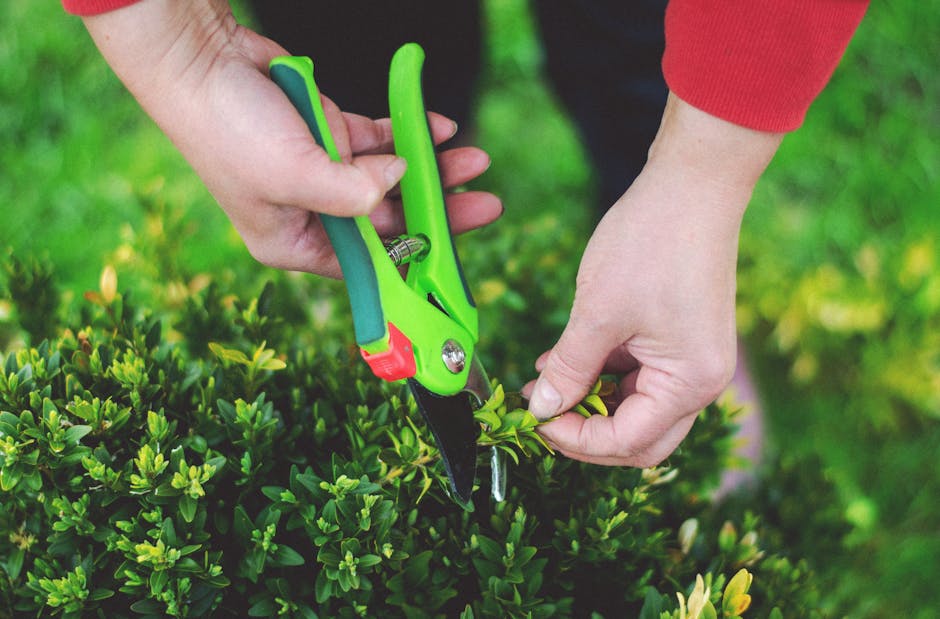
- Prune and tidy. Cut back winter damage, shape hedges where appropriate, and remove anything that is crossing, rubbing, or dead.
- Refresh the soil. Add compost, mulch, or other organic matter where needed, and loosen compacted patches carefully.
- Feed and plant. Once the ground has warmed, begin sowing, planting, and feeding according to the needs of each bed or container.
- Maintain the rhythm. Light, regular care in spring is usually better than one giant overhaul at the end of the month. That bit is easy to forget.
The checklist is flexible. A garden with mature hedges and a lawn needs a different spring routine from a small paved terrace with containers. But the sequence stays the same. You check, clear, correct, then grow.
Key Benefits and Practical Advantages
A well-planned spring maintenance routine brings a lot more than visual improvement. It helps you spend less time firefighting later in the year, and in most gardens that means less pressure, fewer surprise costs, and better results from whatever effort you put in.
- Healthier plants: removing dead material and improving soil conditions helps new growth establish properly.
- Better lawn recovery: spring is the natural window for repairing winter damage, thinning thatch, and encouraging thicker grass.
- Reduced weed pressure: if you clear weeds before they seed, you are buying yourself a quieter summer.
- Improved drainage and airflow: these two things sound boring, but they are often the difference between a tired garden and a thriving one.
- Cleaner, safer surfaces: paths, decks, and steps can become slippery after a damp winter, especially in shaded spots.
- More usable space: when the garden is organised, you actually use it. Simple as that.
There is also a satisfaction factor. You know the feeling when you hear the first proper buzz of bees on a mild afternoon and the whole space seems to wake up? A tidy spring garden gives you that moment sooner. Truth be told, that matters too.
Who This Is For and When It Makes Sense
This checklist is for anyone in Eastham who wants a practical spring reset, but it is especially useful if one of these sounds familiar:
- You have not done a proper garden tidy since autumn and now the space feels unruly.
- You want a reliable routine rather than guessing what to do first.
- You are maintaining a rented property garden and need it to look respectful without over-investing.
- You have a lawn that always looks patchy after winter.
- You are dealing with hedges, borders, decking, or mixed-use outdoor space and need the right order of work.
- You are considering professional help but want to understand what good spring maintenance should include.
It makes sense to use this checklist in early to mid-spring, but local weather should guide you. If the soil is still very wet and cold, wait before heavy digging or feeding. If the weather turns mild early, you can move sooner. One garden can be ready while the one next door is still claggy underfoot. That is just spring in the UK, isn't it?
If you are also planning a bigger refresh, such as new borders, fresh turf, or a redesign, spring maintenance gives you the perfect starting point. In that case, it can help to think about the whole garden rather than isolated jobs. Services such as garden maintenance, lawn mowing, and hedge trimming often work best when planned together instead of in a scramble.
Step-by-Step Guidance
1. Start with a full walkaround
Before touching anything, take a slow look around the whole garden. Note damaged branches, weeds, muddy patches, leaf build-up, broken edging, and any areas where plants look congested or weak. A quick written list helps. People often skip this bit and then realise they have forgotten the one job that mattered most.
2. Clear out winter debris
Remove leaves, twigs, fallen fruit, and dead stems. This opens up the soil surface, reduces hiding places for pests, and makes the garden look instantly more manageable. If you have a compost heap, separate healthy material from anything diseased or badly infested. If in doubt, do not compost it. Better to be cautious.
3. Cut back dead or damaged growth
Dead stems and damaged branches should be removed cleanly. For many shrubs and perennials, a moderate spring cutback encourages fresh growth. Be careful with flowering shrubs, though, because timing depends on whether they bloom on old or new wood. That sounds technical, but the practical version is simple: don't hack everything at once. Some plants really do need a lighter hand.
4. Check hedges, shrubs, and climbers
Hedges and shrubs often put on a fast flush of growth in spring. Tidying them early helps keep their shape and stops them from swallowing paths, windows, or smaller plants. If a hedge is getting too tall or broad, a professional trim may be the safer option, especially near boundaries or access routes. If you want broader help across the garden, a local landscape gardening approach can make the layout feel more workable, not just neater.
5. Refresh the soil
Spread compost or organic matter over beds and work it in lightly around established plants. This improves soil structure, moisture retention, and nutrient availability. In compacted areas, gently fork the soil surface without over-disturbing roots. The aim is to wake the soil up, not bully it.
6. Weed before weeds settle in
Get weeds while they are small. Hand-pull where possible, root them out properly, and do not leave them in piles where they can re-root. Mulching after weeding helps suppress regrowth and keeps the surface looking cleaner for longer.
7. Repair the lawn
Rake out moss and thatch from patchy areas, overseed thin sections, and lightly top-dress if needed. If the lawn is generally tired, it may need more than a trim. Aeration can help if the ground is compacted, especially in busy family gardens or areas that get a lot of foot traffic. In some cases, a more regular lawn mowing routine is the simplest way to keep growth even and healthy through spring.
8. Tackle paths, patios, and decking
Spring is the right time to clean slippery paving, sweep joints, and check for loose boards or raised edges. Even a clean garden can feel untidy if the surfaces are rough or green with algae. If your outdoor space includes timber, a careful refresh can make a huge difference. The same goes for garden structures. A smart, clean finish often begins with maintenance before anything decorative.
9. Plant, divide, and reposition
Once the soil is workable and the risk of late cold snaps has eased, you can divide overgrown perennials, plant new seasonal colour, and reposition container plants that did poorly over winter. Watch sun and wind exposure. Eastham gardens can have sheltered pockets and exposed edges in the same space, which means one bed may thrive while another dries out or stays cool.
10. Feed, mulch, and water sensibly
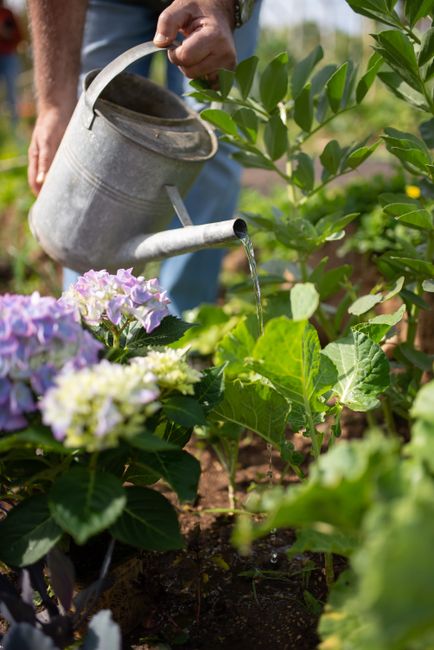
Feeding and watering should follow the needs of each plant group. Less is often more. Overfeeding soft growth can lead to weak stems and extra pruning later. Mulch around beds to lock in moisture and reduce weeds, but keep it clear of stems and trunks. A neat mulch line looks better too. Small thing, big difference.
Expert Tips for Better Results
Most spring garden problems are not dramatic. They are cumulative. A bit of skipped weeding here, a missed prune there, a lawn left too long before repair, and by early summer the garden starts asking for much more than it should. These tips help stop that build-up.
- Work in sections. One border, one hedge, one lawn area. You will finish more and feel less overwhelmed.
- Don't overcut early growth. A light trim is usually safer than a brutal one, especially on plants you are not fully sure about.
- Use dry days for cutting and wetter days for soil work. That sounds obvious, but it saves time and improves results.
- Mulch after weeding, not before. Otherwise you are just trapping problems underneath.
- Keep the garden breathable. Airflow reduces disease pressure and helps the space dry faster after rain.
- Leave a little habitat where it makes sense. Not every corner needs to be stripped bare. A tidy garden can still support wildlife.
One practical observation from many spring jobs: the gardens that look easiest to manage in May are usually the ones that were handled methodically in March or early April. Not glamorous, but true. A quick tidy now is worth a much bigger cleanup later.
Common Mistakes to Avoid
Spring jobs are straightforward until one or two common mistakes creep in. Then everything becomes harder than it needs to be.
- Cutting too much too soon: some plants need a conservative approach, and hard pruning at the wrong time can reduce flowering.
- Ignoring drainage or compacted soil: a beautiful planting plan will struggle if water sits in the wrong places.
- Using the wrong mower height: scalping a lawn after winter is a quick way to make it weaker, not stronger.
- Leaving hedge work until nesting season is well underway: you need to check carefully and time work responsibly.
- Cleaning hard surfaces without thinking about runoff: rinse and clear debris properly so it does not end up in beds or drains.
- Trying to do everything in one day: it sounds efficient, but it usually just leads to poor decisions and sore shoulders.
A smaller but annoying mistake is buying plants before you have prepared the ground. It feels productive in the moment. Then they sit in pots for a week while you "get round to it." We have all done that. The compost bags become garden furniture. Not ideal.
Tools, Resources and Recommendations
You do not need a shed full of specialist kit to carry out spring maintenance well. The best tools are the ones that make the work safer, cleaner, and more consistent.
| Task | Useful tools | What to look for |
|---|---|---|
| General clear-up | Gloves, rake, debris sack, secateurs | Comfort, grip, and a blade that cuts cleanly |
| Pruning and shaping | Hand pruners, loppers, hedge trimmer | Sharp blades and a tool suited to branch size |
| Lawn care | Rake, mower, aerator, seed spreader | Even cut, adjustable height, and easy handling |
| Soil improvement | Fork, spade, compost, mulch | Enough quality organic matter to make a visible difference |
| Surface cleaning | Broom, scraper, hose, pressure washer where appropriate | Control, safety, and care around joints or timber |
If the work is more than a quick tidy, professional help can save time and reduce mistakes. A good local team should be clear about scope, timing, disposal, and what is included. You can review broader service options through services overview or check their pricing and quotes information before you decide. If waste removal is part of the job, garden clearance can be useful too.
For residents who are particular about environmental impact, it is worth asking how green waste is handled and whether reusable or recyclable materials are prioritised where possible. A sensible approach to recycling and sustainability is often part of a good maintenance plan, even if it only shows up in small ways like composting and careful disposal.
Law, Compliance, Standards, or Best Practice
Garden maintenance is usually straightforward, but there are a few practical standards and local expectations worth keeping in mind. You do not need to overthink this, yet it is sensible to work carefully.
If you are trimming hedges or carrying out cutting work, check for nesting birds before disturbing dense growth. The timing of hedge work should be chosen responsibly, especially where wildlife activity is obvious. That is basic best practice and also a sign of a careful gardener.
Health and safety matters too, particularly if tools, ladders, saws, or machinery are involved. Wear suitable footwear, use eye and hand protection where appropriate, and avoid working on wet, slippery ground with powered equipment. If a task feels awkward or risky, that is often your cue to slow down or bring in help. No need to be heroic about a hedge.
For households using professional support, it is reasonable to expect clear communication about insurance, safety, and waste handling. A reputable provider should be able to explain how they work and what precautions they take. You can also review their health and safety policy and insurance and safety information if you want more reassurance before booking.
It is also worth keeping an eye on boundary lines, access routes, and shared spaces. If a hedge overhangs a path or a tree is affecting a neighbour's light or access, a careful, polite approach is best. In real life, many garden issues are solved faster by communication than by force.
Options, Methods, or Comparison Table
Different spring maintenance methods suit different gardens. The right choice depends on time, budget, condition, and how much ongoing upkeep you want. Here is a simple comparison.
| Approach | Best for | Pros | Limitations |
|---|---|---|---|
| DIY spring tidy-up | Small to medium gardens with light seasonal work | Lower cost, flexible timing, personal control | Time-consuming, easy to miss hidden issues |
| Task-based professional help | Gardens needing specific jobs like mowing, hedge trimming, or clearance | Efficient, focused, usually good value for targeted work | Still requires you to prioritise what matters most |
| Full maintenance visit | Overgrown or neglected gardens | Comprehensive reset, better starting point for the year | Higher upfront cost than a single task |
| Combined maintenance and landscaping | Gardens that need both upkeep and layout improvements | Longer-term improvement, more coherent results | Needs more planning and may involve phased work |
If your garden has moved beyond simple seasonal maintenance, combining upkeep with redesign can be the smarter route. In those cases, landscaping or broader garden clearance may make more sense than trying to patch everything a bit at a time.
Case Study or Real-World Example
Here is a realistic example from a typical Eastham garden. A homeowner had a narrow rear garden with a tired lawn, two overgrown shrubs, a paved seating area, and a border that had become more weed than soil. Nothing dramatic. Just the kind of space that quietly gets away from you over winter.
The spring plan started with clearance, then the hedge and shrub shaping, then a lawn refresh, then compost and mulch in the border. The paved area was cleaned last, once the debris was already out of the way. That order mattered. If the paving had been cleaned first, the soil work would have made a mess of it all over again.
What changed? Three things, really. First, the garden became easier to move through. Second, the lawn stopped looking thin and defeated. Third, the owner could see what they actually had rather than a blur of overgrowth. That made future planting decisions much easier. A small redesign followed later in the season, and because the garden had already been stabilised, the extra work felt manageable instead of overwhelming.
That is the quiet advantage of spring maintenance. It is not always glamorous, but it makes the whole year easier to live with.
Practical Checklist
Use this checklist as your working guide for spring 2026. You can print it, copy it into your notes app, or just run through it with a cup of tea before you start. Whatever works.
- Inspect the whole garden for damage, poor drainage, and winter debris.
- Remove dead leaves, twigs, and spent growth from beds, paths, and borders.
- Check shrubs, hedges, and climbers for dead or crossing branches.
- Prune carefully, keeping plant type and flowering habit in mind.
- Weed beds, paths, and lawn edges before weeds establish deeply.
- Rake moss and thatch from the lawn if needed.
- Overseed thin grass patches and water lightly if conditions are dry.
- Loosen compacted soil and add compost or organic matter where appropriate.
- Mulch borders after weeding and tidying.
- Clean patios, steps, decking, and other hard surfaces safely.
- Check pots and containers for drainage, root congestion, and frost damage.
- Plant seasonal colour or divide perennials once conditions are suitable.
- Review whether any task needs professional support before it becomes a bigger job.
Simple rule of thumb: if a task improves access, plant health, or future maintenance, do it early. If it is just cosmetic, leave it until the essentials are done.
Conclusion
The best spring garden maintenance is not about doing everything at once. It is about doing the right things in the right order. For Eastham gardeners, that usually means clearing winter debris, restoring the lawn, pruning with care, improving the soil, and then planting and finishing the space in a way that supports the months ahead.
A good Spring 2026 garden maintenance checklist for Eastham gardeners should leave you with a garden that feels lighter, healthier, and easier to enjoy. Not perfect. Gardens are never perfect for long. But tidy, calm, and properly set up for growth? Absolutely.
If you want help turning a long list into a manageable plan, start with the most urgent jobs first and build from there. That one choice makes the whole season feel less chaotic. And once the first corner is done, the rest has a funny way of following.
Get a free quote today and see how much you can save.
Frequently Asked Questions
What should be on a spring garden maintenance checklist for Eastham homes?
A good checklist should cover inspection, debris removal, pruning, lawn repair, weeding, soil improvement, hard surface cleaning, and seasonal planting. The exact order matters, because a garden is easier to manage when the groundwork is done first.
When is the best time to start spring garden maintenance in Eastham?
Usually early to mid-spring works well, but local weather should guide you. If the soil is very cold or waterlogged, delay heavy digging and feeding. Mild, settled weather is the best window for most jobs.
Should I prune everything in spring?
No. Some plants respond well to spring pruning, while others should be left until after flowering or handled more lightly. If you are unsure, it is safer to prune conservatively than to cut too much.
How do I know if my lawn needs more than a mow?
If your lawn has moss, bare patches, thin grass, or compacted soil, it probably needs more than a cut. Raking, overseeding, aeration, and feeding may be needed to get it back into good shape.
Is spring the right time to add compost and mulch?
Yes, in many gardens it is. Compost improves the soil, and mulch helps retain moisture and reduce weeds. Just avoid piling mulch against stems or trunks.
Can I do spring maintenance myself or should I hire help?
Small, manageable gardens can often be handled DIY if you have the time and tools. If the garden is overgrown, the hedges are tall, or you want a proper reset, professional help may be the easier option.
What is the biggest mistake people make with spring garden maintenance?
The biggest mistake is often starting with the wrong job or doing too much too quickly. Clearing, assessing, and prioritising first usually leads to better results and fewer problems later.
How often should a garden be maintained in spring?
Light, regular attention is better than one huge effort. A weekly or fortnightly tidy-up through spring is often enough to keep growth under control and stop the garden from slipping back.
Does spring garden maintenance help with pests and diseases?
Yes. Removing dead material, improving airflow, and avoiding overcrowding all help reduce the conditions that pests and disease often like. It is not a guarantee, but it does make a real difference.
What if my garden is too overgrown to start with a checklist?
Begin with clearance and access. Once you can actually see what is there, the rest becomes much easier. In seriously neglected gardens, a garden clearance service can give you a clean starting point.
Can spring maintenance improve my garden's appearance quickly?
Absolutely. Even simple jobs like clearing debris, edging borders, and refreshing the lawn can transform how a space feels. Sometimes the change is surprisingly fast, almost annoyingly so.
Where can I find more support for Eastham garden work?
It helps to look through related local services and advice pages, especially if you need mowing, trimming, clearance, or broader maintenance. A joined-up plan usually gives the best long-term result.